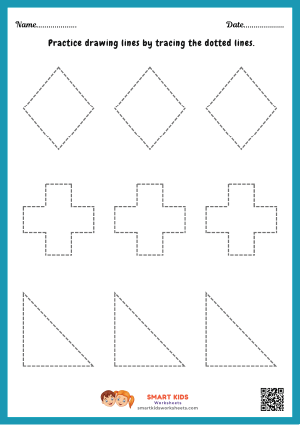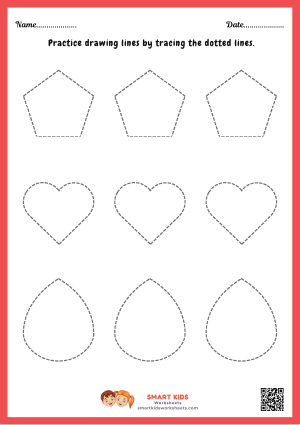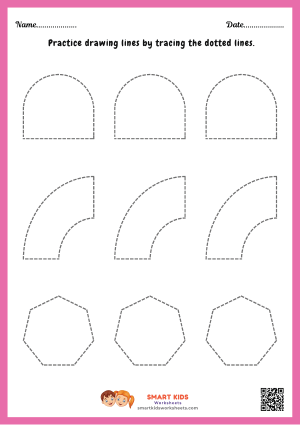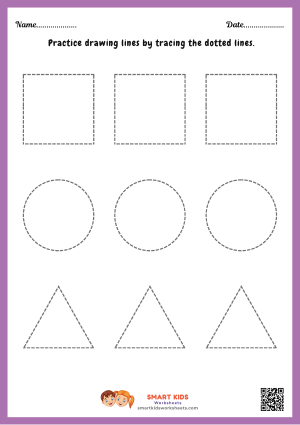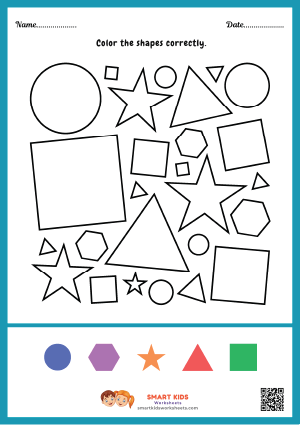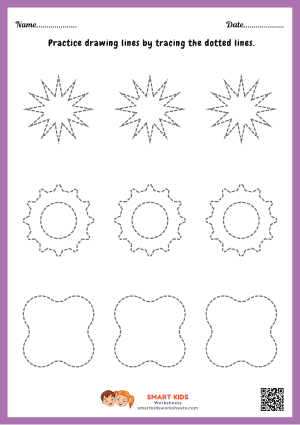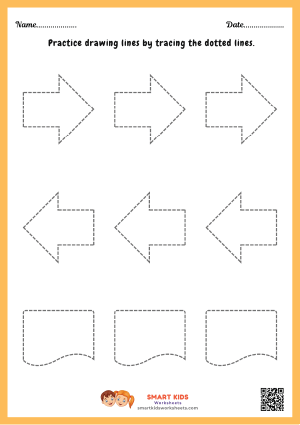
Shape and tracing worksheets serve as fundamental tools in early childhood education. They are designed to help young learners develop essential motor skills and an understanding of basic geometric shapes. These worksheets not only engage children in a fun and interactive way but also serve to assist in building a strong educational foundation.
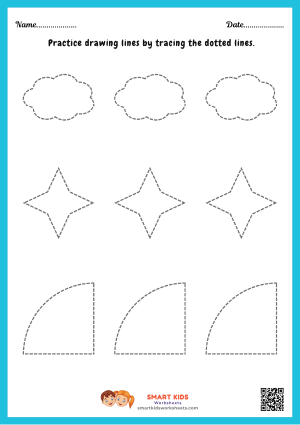
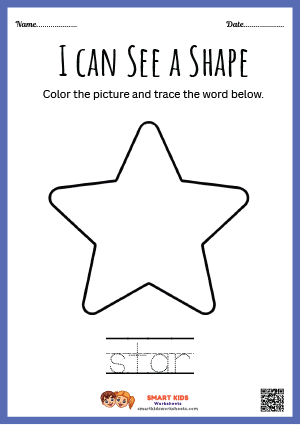
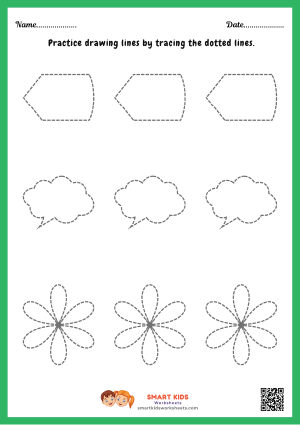
One of the primary benefits of shape worksheets is their ability to enhance fine motor skills. When children trace different shapes, they practice controlling their pencil grip and improve their hand-eye coordination. Additionally, these activities provide a creative outlet for self-expression, allowing children to explore and interact with various patterns and forms.
Tracing is a powerful learning method that reinforces recognition of shapes. When children repeatedly trace, they internalize the shapes they are working with, aiding in memory retention. Moreover, the act of tracing can be combined with discussions about the properties of shapes, such as sides and angles, further enriching the learning experience. As children progress, they can transition from tracing basic shapes to creating their own, fostering confidence in their artistic abilities.
In conclusion, incorporating shape and tracing worksheets into educational activities is an effective strategy for enhancing a child’s development. These worksheets provide a solid starting point for mastering essential skills while ensuring learning remains enjoyable and engaging. As teachers and parents, utilizing such resources can lead to meaningful outcomes in a child’s educational journey.
Share this worksheet
Tags: