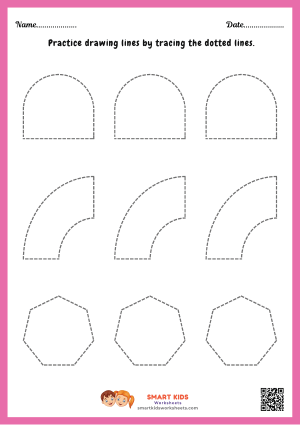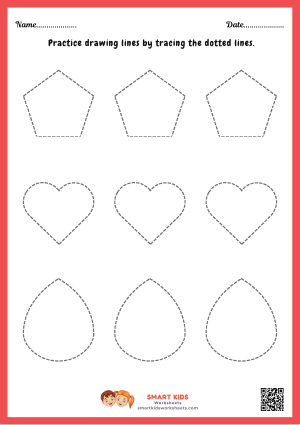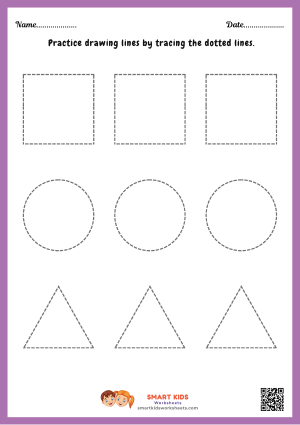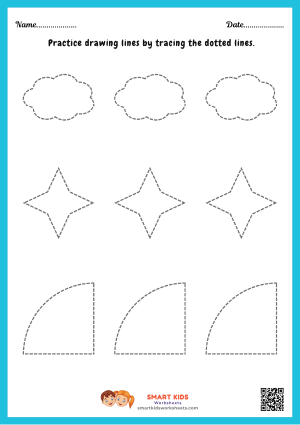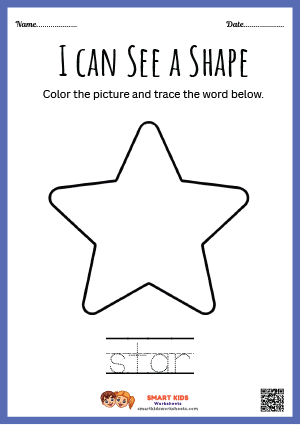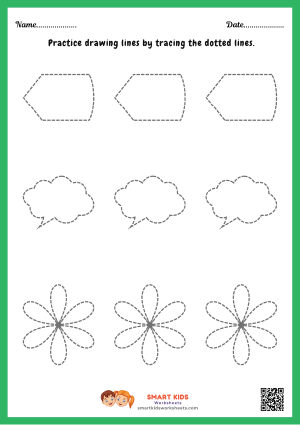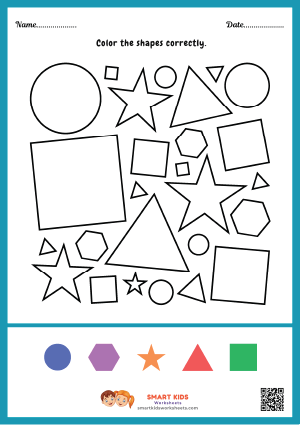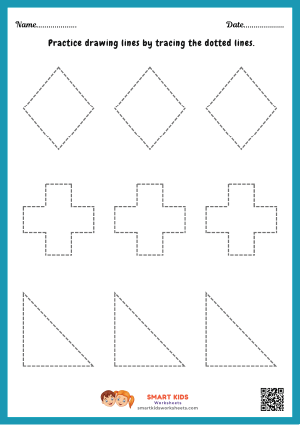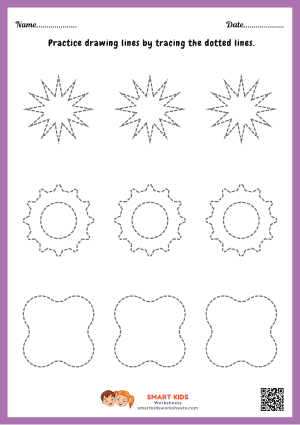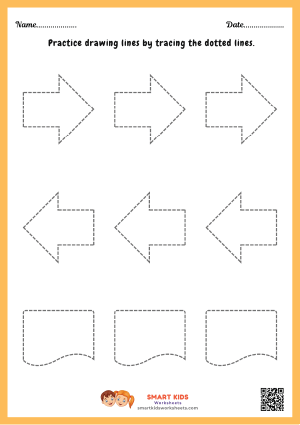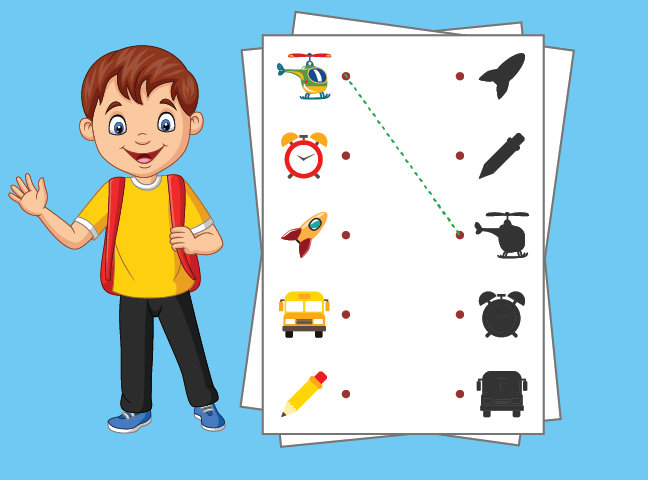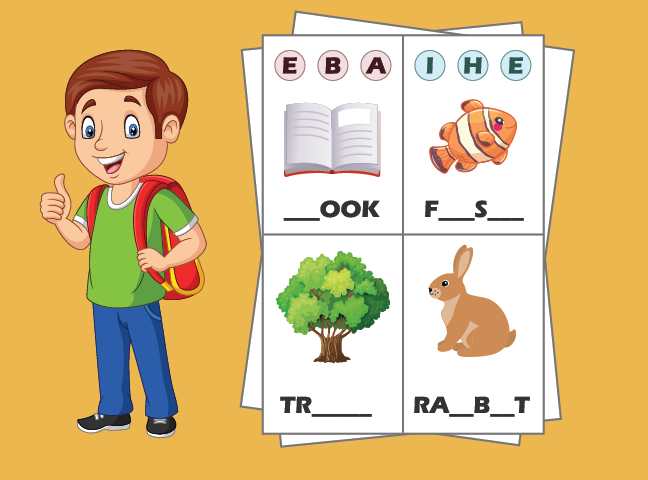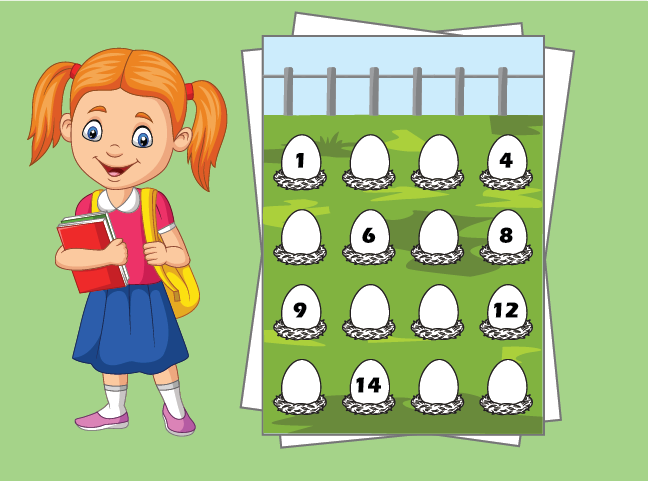
Shape and tracing worksheets are essential educational tools designed to enhance the learning experience of preschoolers. These worksheets not only aid in the recognition of various shapes but also play a crucial role in developing fine motor skills through tracing activities. In this post, we will explore the benefits and creative ideas for implementing shape and tracing worksheets in early childhood education.
Utilizing shape worksheets is a fun and effective way to introduce young learners to different geometric forms. Children will gain familiarity with basic shapes such as circles, squares, triangles, and rectangles. As they engage with these worksheets, they begin to understand the characteristics that define each shape, thus enhancing their spatial awareness.
Tracing activities complement shape recognition by allowing preschoolers to practice their writing skills. As children trace outlines of shapes, they develop hand-eye coordination and improve their grip on writing tools. These exercises are particularly beneficial in preparing children for future writing tasks. With regular practice, kids become more confident in their ability to reproduce shapes on their own, promoting creativity and self-expression.
To keep preschool learners engaged, consider incorporating themed shape worksheets that align with holidays or seasons. For example, during spring, worksheets could feature flowers and butterflies, while winter-themed worksheets might include snowflakes and Christmas trees. Additionally, integrating colorful illustrations and interactive elements can significantly enhance student interest and participation.
In conclusion, shape and tracing worksheets provide numerous benefits for preschool children by fostering essential skills. By creating fun and interactive worksheets, educators can ensure that shape learning is both effective and enjoyable. Embrace these worksheets in your teaching approach to cultivate a solid foundation for young learners.
Share this worksheet
Tags: