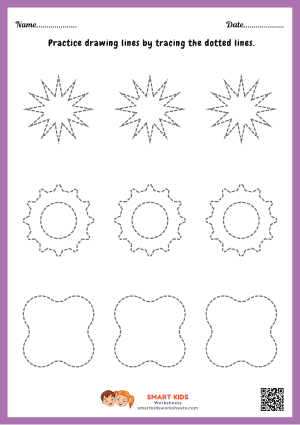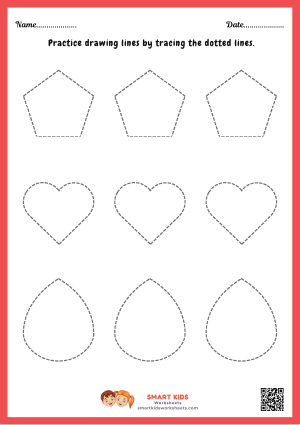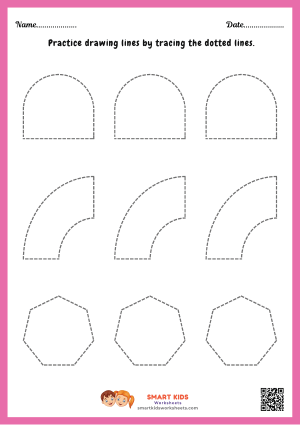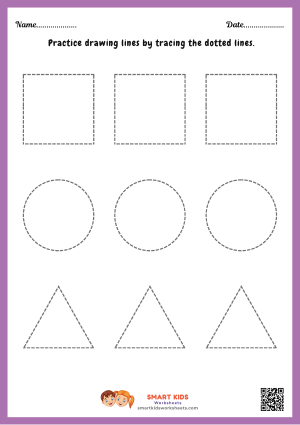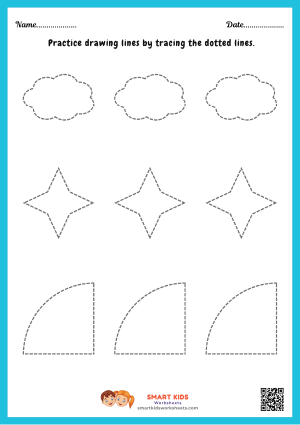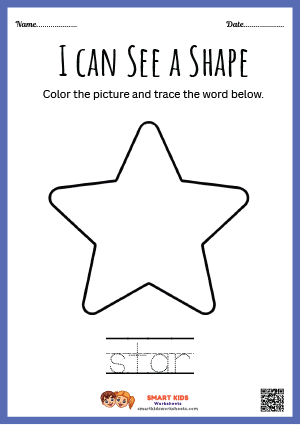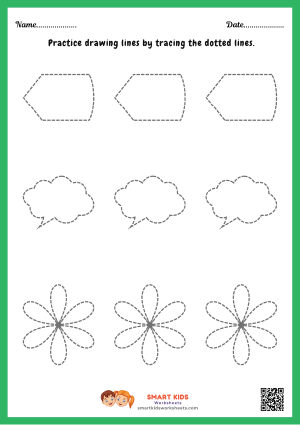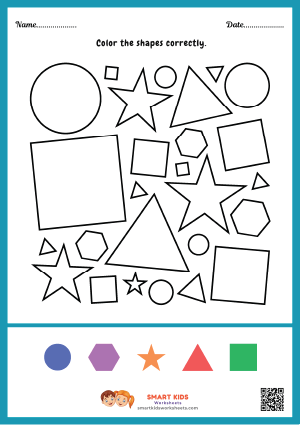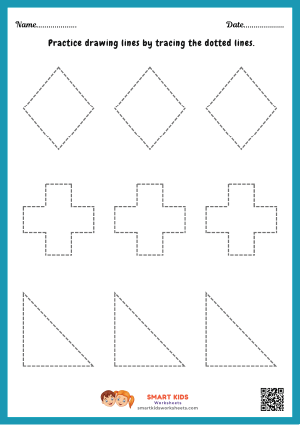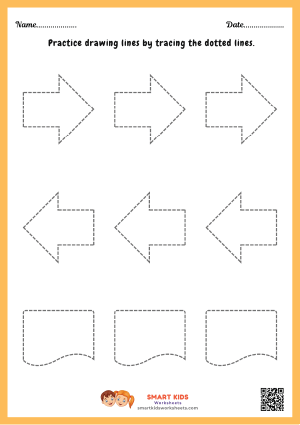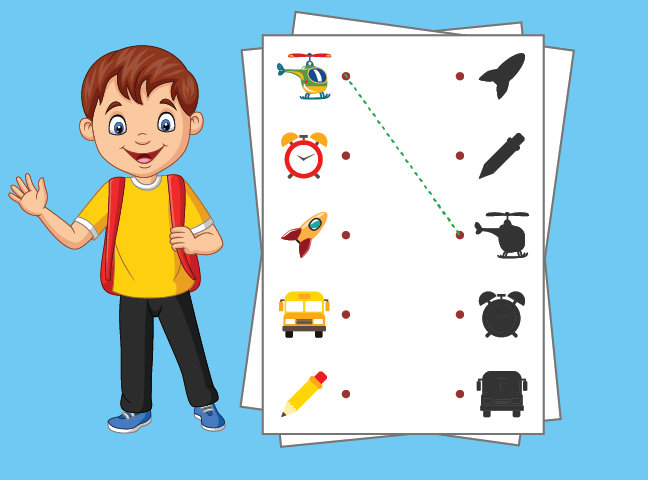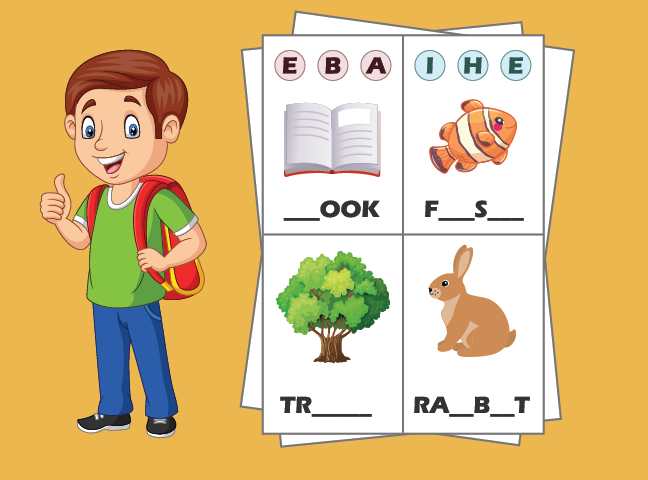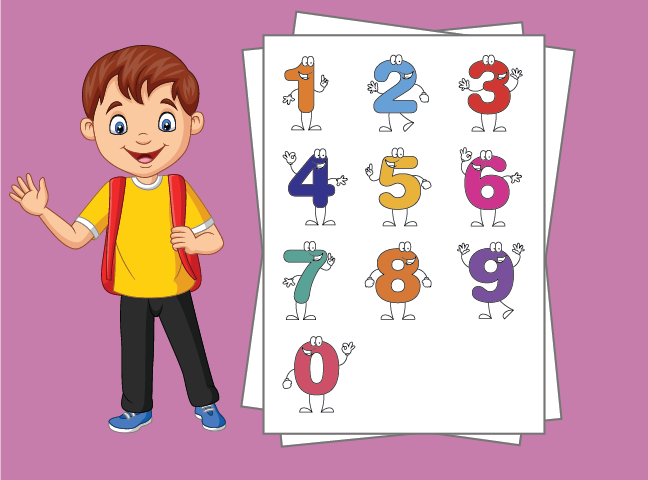
Shape and tracing worksheets play a crucial role in early childhood education. They serve as fundamental tools that help young learners develop essential motor skills, spatial awareness, and cognitive recognition of shapes. Engaging in these worksheets allows children to practice fine motor skills necessary for tasks such as writing and drawing, which are vital in their educational journey.
Tracing activities, often included in shape worksheets, enhance children’s ability to recognize different shapes and their properties. By repeatedly tracing outlines of geometric figures like circles, squares, and triangles, children can internalize the shapes’ characteristics. This process not only aids in shape identification but also strengthens hand-eye coordination, a skill that will benefit them in various future academic endeavors.
Incorporating fun elements into shape and tracing worksheets can significantly boost a child’s enthusiasm for learning. Worksheets that feature colorful designs, interactive elements, or themes can hold a child’s attention longer and make the learning experience enjoyable. This enjoyment often translates into a more profound understanding of shapes and an eagerness to engage in similar educational activities in the future, fostering a lifelong love for learning.
Share this worksheet
Tags: