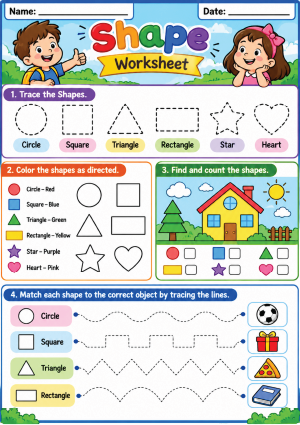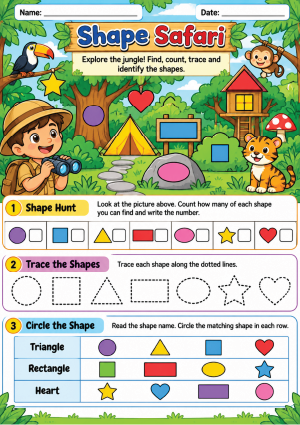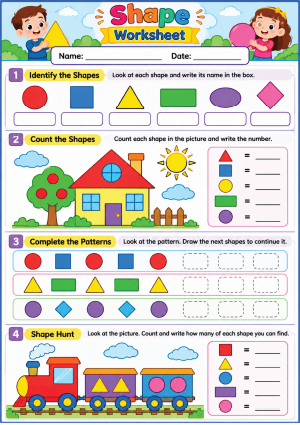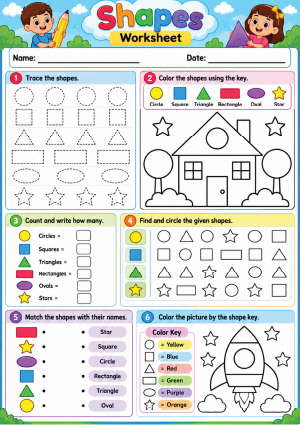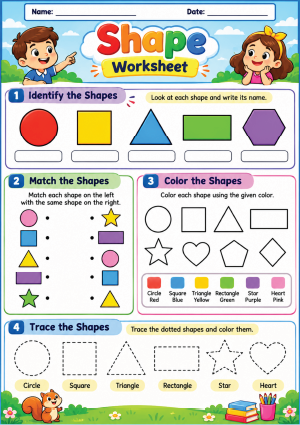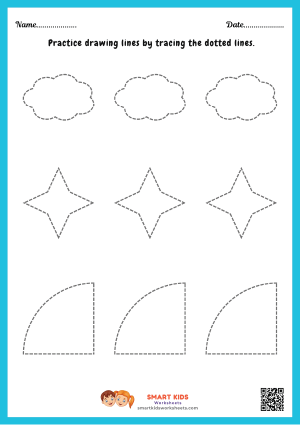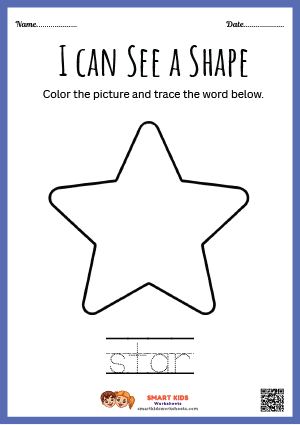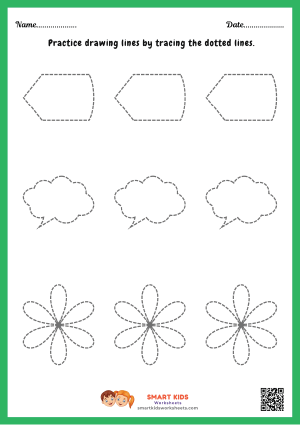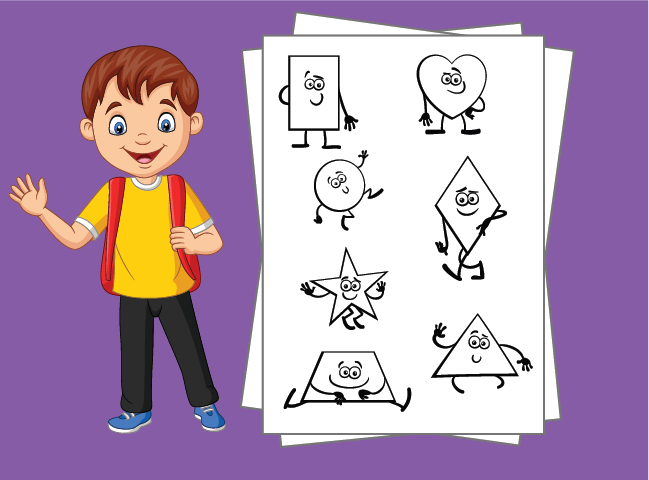
Learning to recognize shapes helps young children notice patterns, describe objects, and develop early math skills. A thoughtfully designed shapes worksheet for preschool can make these ideas easier to explore. Familiar forms such as circles, squares, triangles, and rectangles appear throughout a child’s everyday environment, from plates and windows to signs and toys. Connecting printed activities with real objects makes shape names more meaningful.
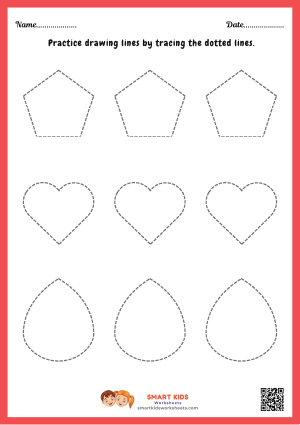
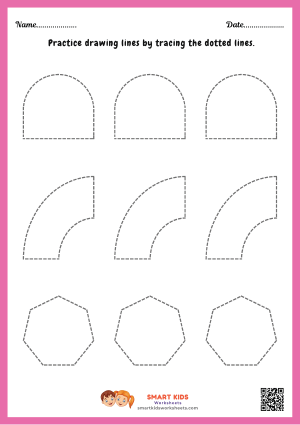
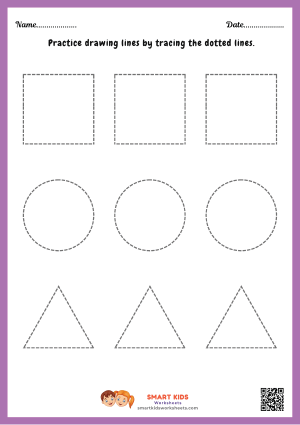
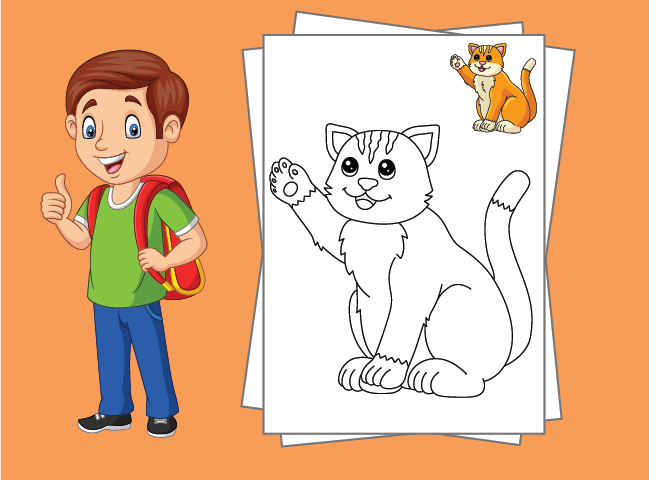
Preschool activities work best when they are brief, clear, and suited to developing attention spans. A worksheet can invite children to identify a shape, trace its outline, match it with another example, or color selected forms. These simple tasks encourage careful observation while offering practice with pencil control and hand–eye coordination.
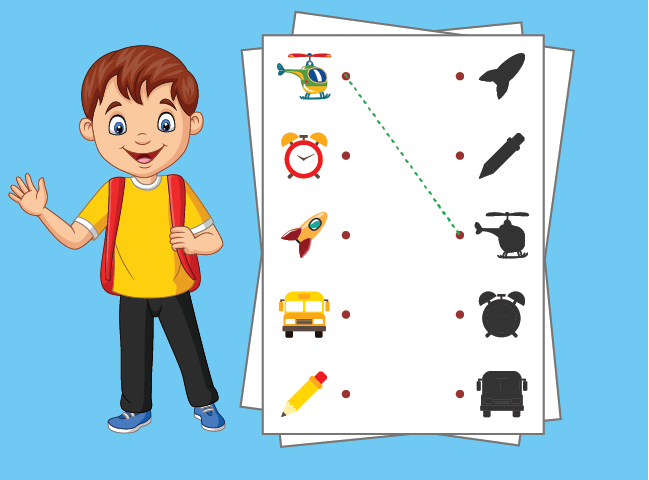
Begin with a small group of basic shapes rather than introducing many new concepts at once. Use bold outlines and uncluttered pages so children can focus on the task. Matching activities help learners compare forms, while tracing gives them an opportunity to follow straight and curved lines. Sorting pictures by shape can also encourage children to explain how they made each choice.
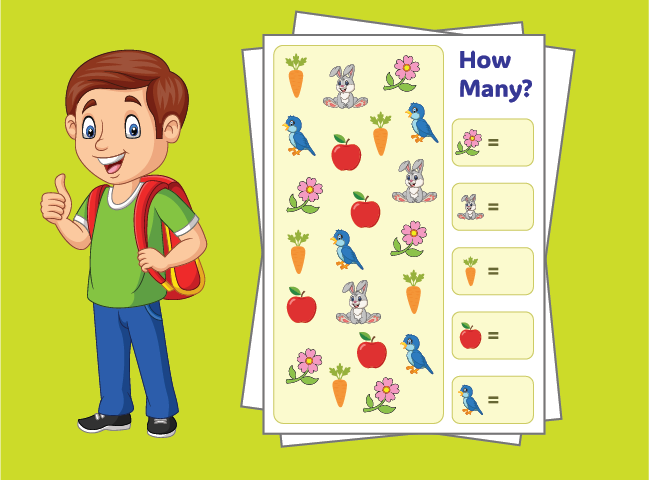
Variety helps maintain interest, but each activity should have a clear purpose. For example, a page might ask children to find every triangle, then count the examples. Another could show several objects and ask which one resembles a rectangle. These exercises connect recognition with early counting and vocabulary without making the page overly demanding.
Offer guidance when needed, but allow children time to examine each shape and respond independently. Invite them to name the features they notice, such as a circle’s curved edge or a square’s equal sides. Positive, specific feedback can reinforce effort and help children feel comfortable trying unfamiliar tasks.
Worksheets are most effective when they complement hands-on learning. After completing a page, children can search the room for matching forms, build shapes with blocks, or draw examples of their own. Through repeated, enjoyable practice, preschoolers strengthen visual recognition and gain confidence with foundational geometry concepts.
Share this worksheet
Tags: