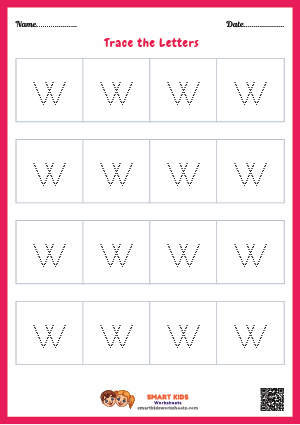
Letter tracing is a fundamental skill for young learners as they begin their journey into reading and writing. Through tracing, children develop hand-eye coordination and fine motor skills, which are crucial for their academic growth. The letter W, in particular, presents a unique challenge, making it an ideal focus for tracing activities.
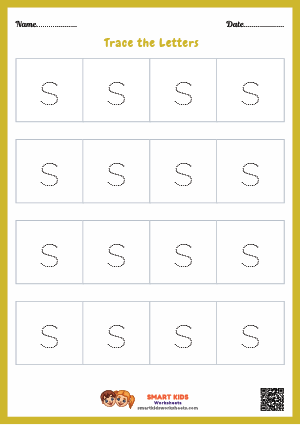
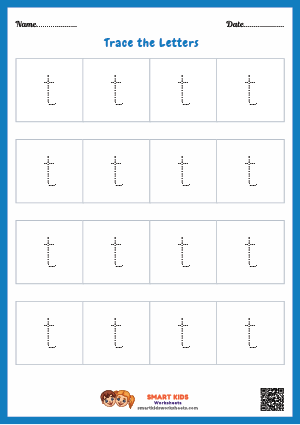
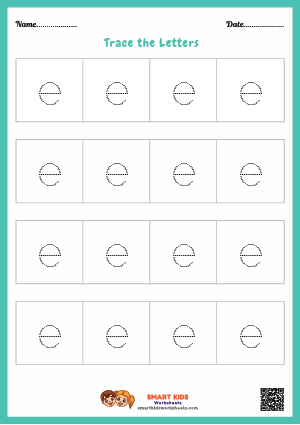
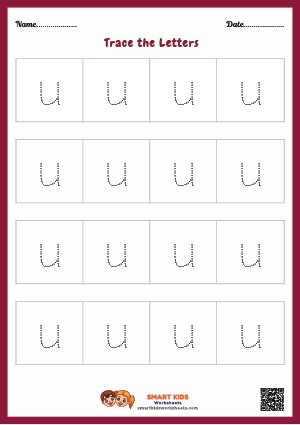
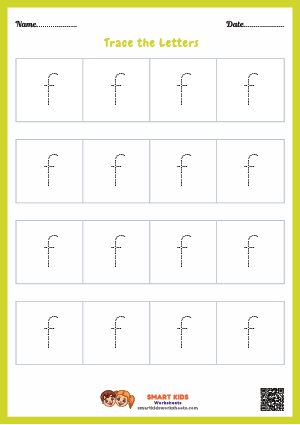
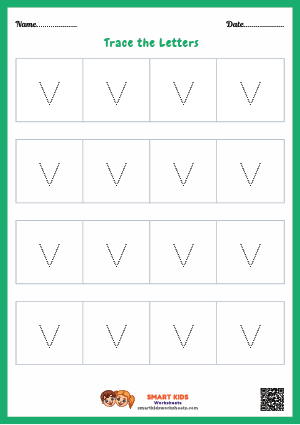
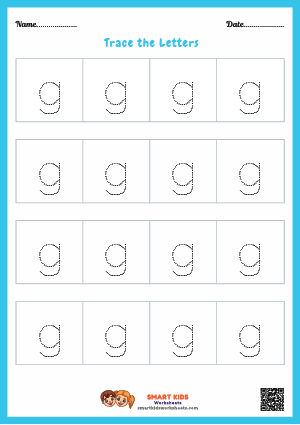
When introducing letter tracing for the alphabet W, it is important to create engaging and interactive activities. Start by demonstrating the letter’s formation. Show the child how to trace the letter W step by step, highlighting its two peaks and points. Utilize worksheets specifically designed for letter tracing, where children can practice repeatedly until they gain confidence in writing W independently.
Incorporating creativity into letter tracing can make learning enjoyable. Consider using various materials for tracing, such as sand, flour, or even finger paints. These tactile experiences not only enhance memory retention but also encourage sensory engagement. Additionally, parents and educators can reinforce this skill by integrating alphabet songs that emphasize the sound of the letter W, allowing children to connect auditory learning with their writing practice.
In conclusion, letter tracing the alphabet W is an essential activity that lays the foundation for future writing skills. Through consistent practice and creative engagement, children can master the art of writing this vital letter with ease.
Share this worksheet
Tags: