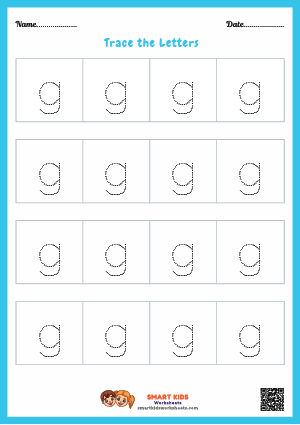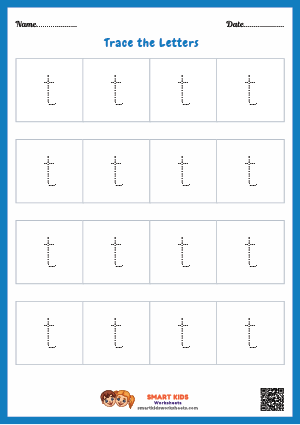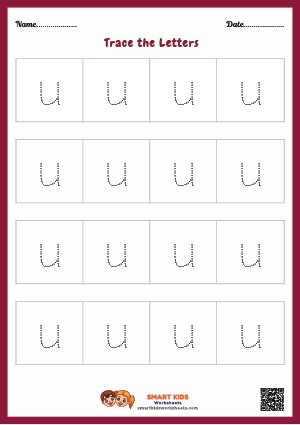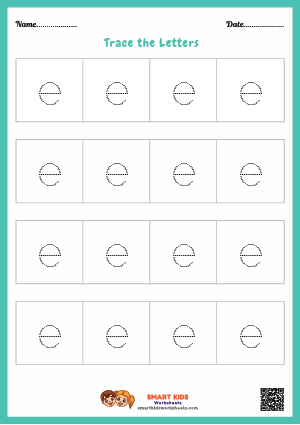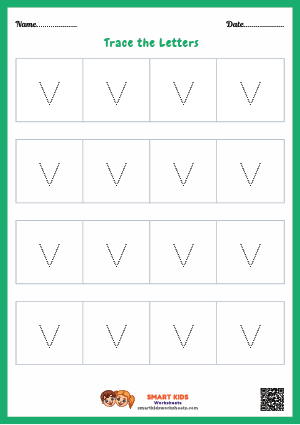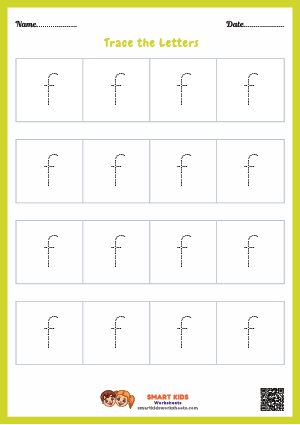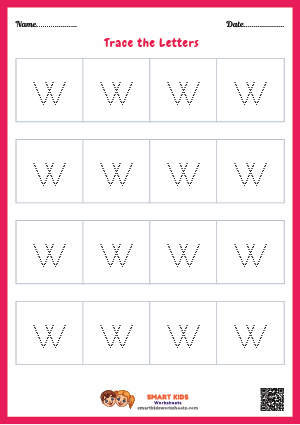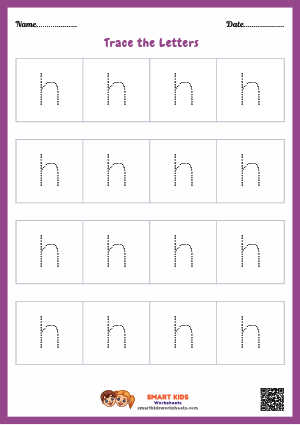
Letter tracing is an essential activity aimed at developing handwriting skills in young learners. It enhances their fine motor skills and paves the way for writing proficiency. Among the various letters that children can practice, the letter G holds a significant place. Whether it is uppercase or lowercase, tracing the letter G can be both fun and educational.
Tracing helps children understand the distinctive shapes and forms of each letter. The letter G, especially, presents unique curvatures that challenge young learners while still being manageable. By practicing this letter, children not only learn to recognize the letter G in various contexts but also improve their grip and control over writing instruments. These skills are foundational in the journey of mastering written communication.
When guiding children in tracing the letter G, consider employing various techniques to enhance learning. Start by demonstrating the motion required to create the letter. Utilize worksheets that provide dotted outlines of the letter for the child to follow. Engaging activities, such as using sand or finger paint, can also make the experience enjoyable. Incorporating playful elements into letter tracing fosters a positive attitude towards learning.
In conclusion, letter tracing is a critical step in early education. By focusing on letters like G, children can strengthen their handwriting skills, making it a worthwhile practice in their educational journey.
Share this worksheet
Tags: