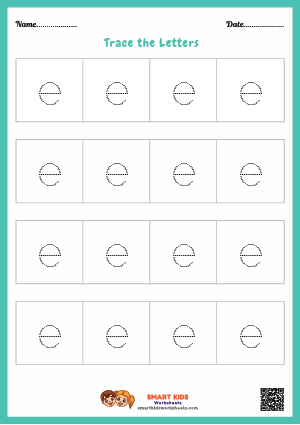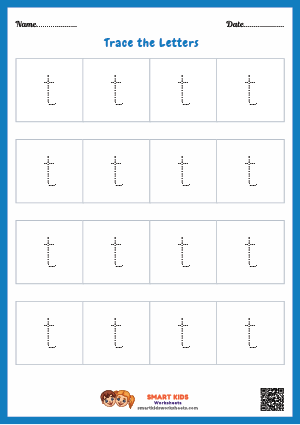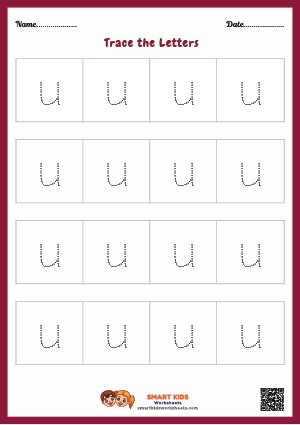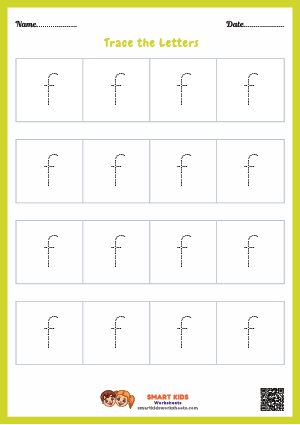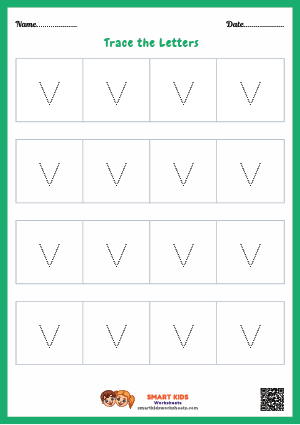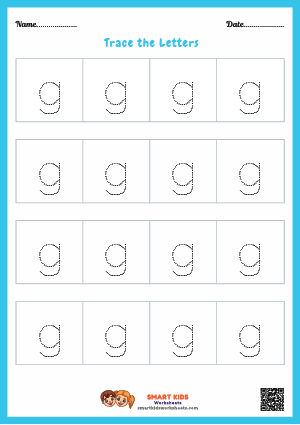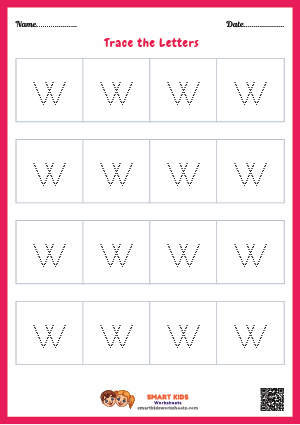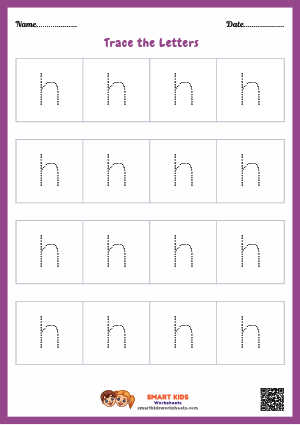
Letter tracing is an essential skill that helps children develop their writing and motor skills. By focusing on the letter ‘E’, we open up a pathway to improving both recognition and formation. Understanding how to trace shapes equips young learners with the ability to write letters confidently.
Begin with guiding children through the structure of the letter ‘E’. Start by demonstrating the three lines that form the letter: a vertical line with two horizontal lines attached. Encouraging children to trace over these lines promotes engagement and enhances muscle memory. These tracing activities not only teach the shape of the letter but also emphasize the importance of precision in letter formation.
Tracing letters, particularly the letter ‘E’, provides various educational benefits. It supports cognitive development, fine motor skills, and visual perception. Children who practice tracing can improve their handwriting skills, leading to better communication in writing as they progress. Additionally, mastering tracing letters helps build a foundation for more complex writing tasks.
In conclusion, letter tracing, with a focus on the alphabet ‘E’, is a vital practice that fosters early literacy. By incorporating fun activities that eliminate the frustration of writing, parents and educators can create an inviting atmosphere for learning. Encourage your young learners to embrace the art of tracing to unlock their writing potential.
Share this worksheet
Tags: