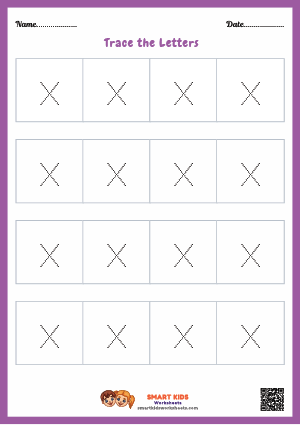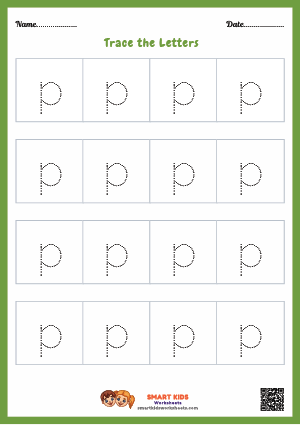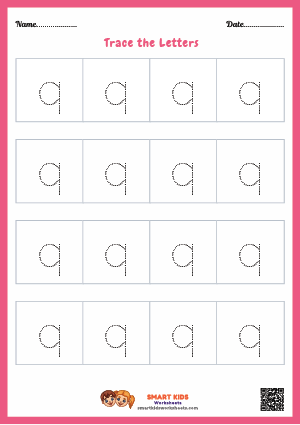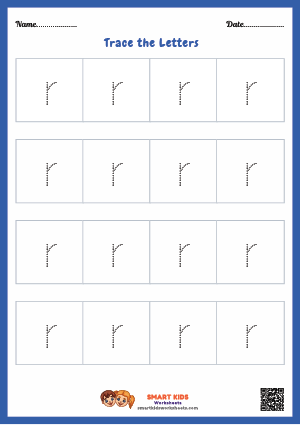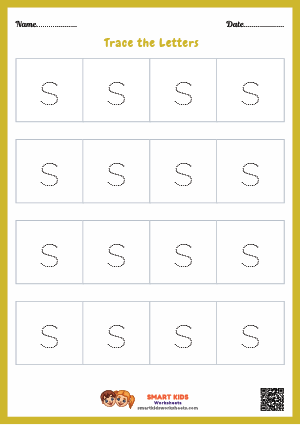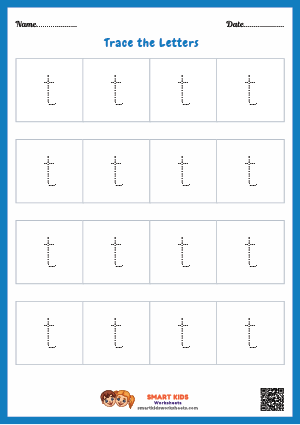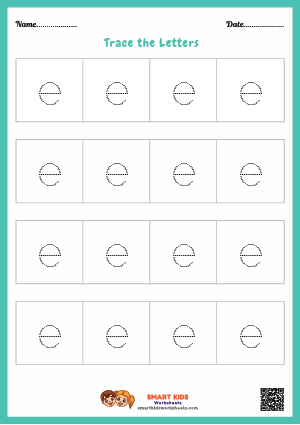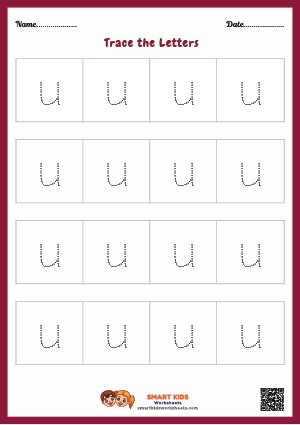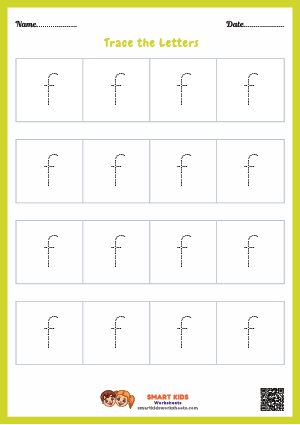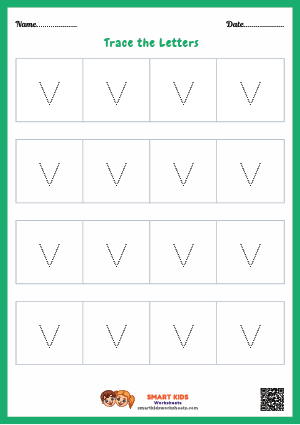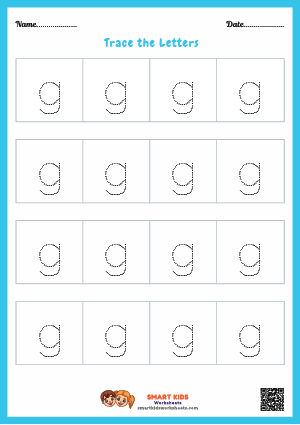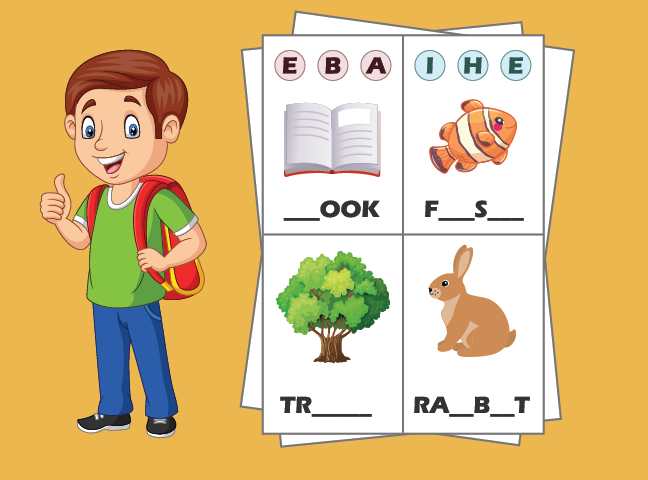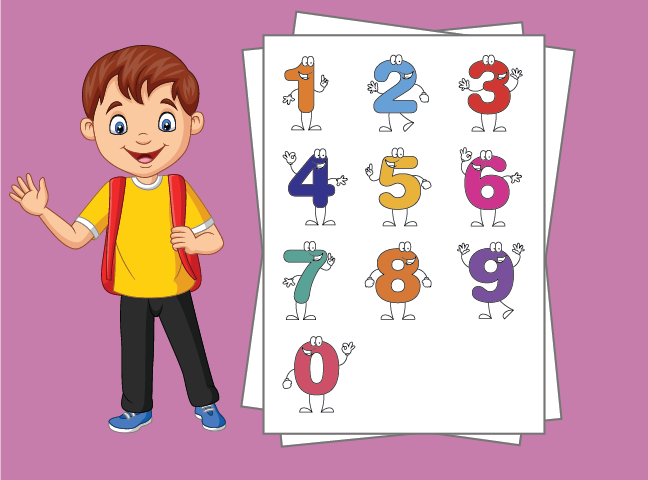
Letter tracing is an essential skill that aids children in mastering the alphabet. By engaging in tracing activities, young learners not only develop their fine motor skills but also enhance their letter recognition abilities. This foundational exercise sets the stage for future reading and writing competencies.
Practicing tracing letters offers numerous benefits. Firstly, it provides a tactile experience that reinforces the shape and structure of each letter. As children guide their pencils along the lines, they can visualize the letters better in their minds. Furthermore, letter tracing encourages hand-eye coordination, which is critical during the early stages of writing development. Engaging with the alphabet through tracing also fosters a love for learning, enticing children to explore more about letters and words.
To ensure effective letter tracing practice, parents and educators can adopt a few strategies. Utilizing worksheets designed with dotted letters can help guide young learners. It can be beneficial to start with uppercase letters before gradually progressing to lowercase ones. Consistency is key; therefore, a daily routine that includes letter tracing can solidify children’s learning experience. Additionally, incorporating colorful writing tools can make the activity more enjoyable, enticing children to engage in practice regularly.
Share this worksheet
Tags: